
Selected for Google for Startups Immersion
I have been selected for Google for Startups Immersion, powered by Antler: years of high-accuracy materials modelling, now inside a product, and a programme built to take it further.

Computational physicist and quantum chemist at the University of Twente, building accurate, open, and scalable simulation methods and models for chemistry, physics, and materials science.

I have been selected for Google for Startups Immersion, powered by Antler: years of high-accuracy materials modelling, now inside a product, and a programme built to take it further.

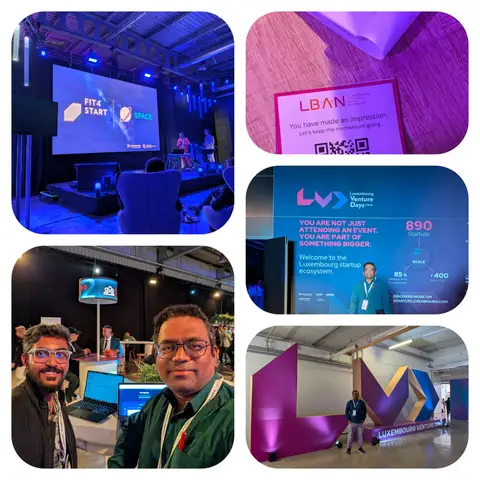
Pitching Quantanomous at Luxembourg Venture Days: one idea, one deadline, a decision that did not go our way, and the conversations that came after.

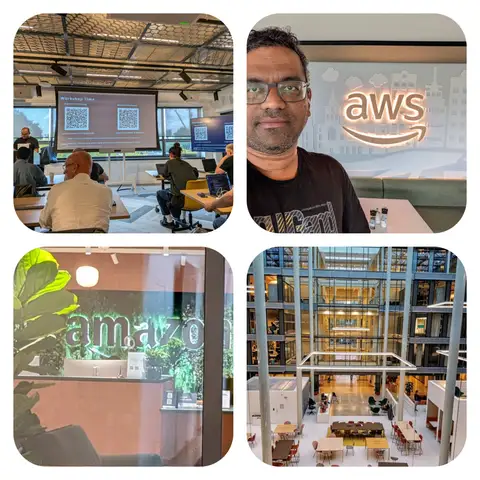
A visit to the Amazon office in Amsterdam, and knowledge to carry into upcoming ventures.
Our EuroHPC project, Learning from Quantum Monte Carlo Forces, has been awarded 75 million CPU hours on the LUMI supercomputer.
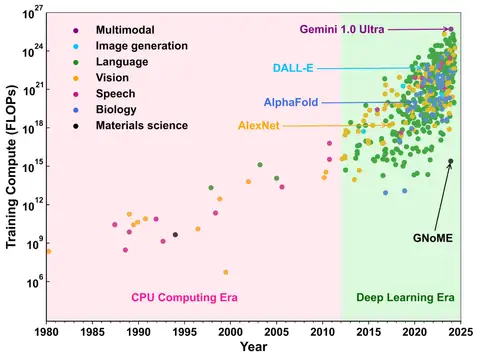
Our Perspective in Nature Reviews Physics on how GPUs and heterogeneous architectures are changing software strategy for quantum mechanical simulations.

The 2023 Nobel Prize in Physics recognises experimental methods that generate attosecond pulses of light to study electron dynamics in matter.
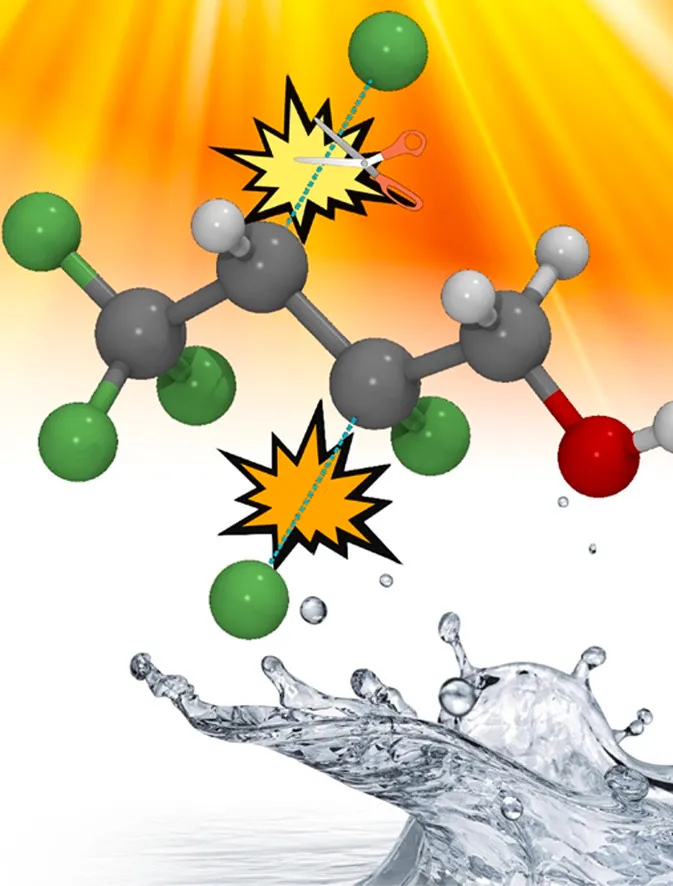
Chemistry World covered our PCCP paper on how excess electrons degrade hydrated PFAS pollutants.
Key Scientific Research
Journal of Hazardous Materials2021
We present the first study of photo-induced degradation of PFASs with RT-TDDFT methods. RT-TDDFT calculations show this process is highly selective towards C-F bond cleavage. RT-TDDFT is a new capability for probing photo-induced degradation of contaminants.

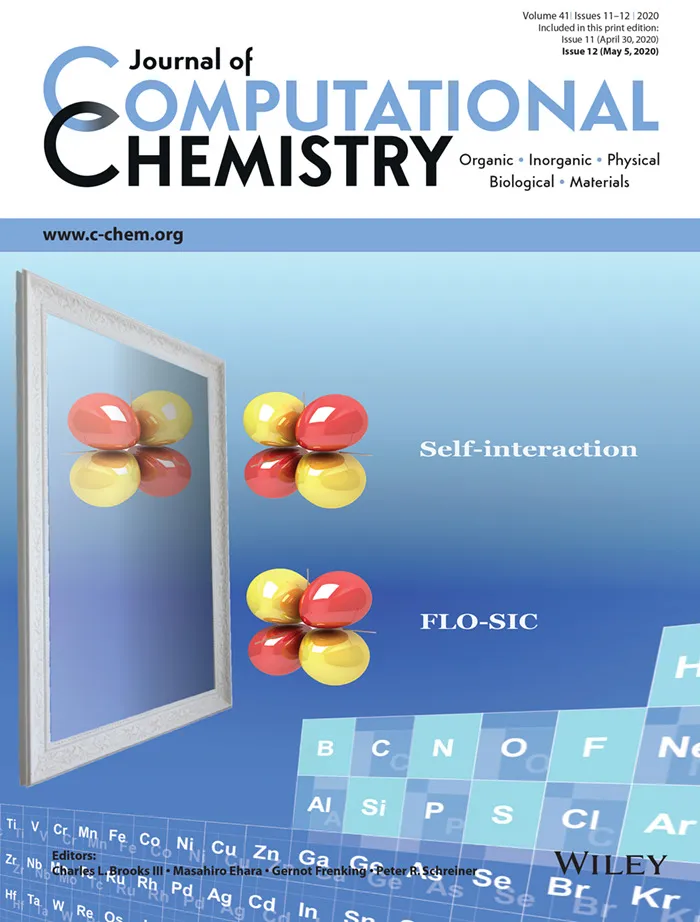
Journal of Computational Chemistry2020
We present a new assessment of the Fermi-Löwdin orbital self-interaction correction (FLO-SIC) approach with an emphasis on its performance for predicting energies as a function of fractional occupation numbers (FONs) for various multielectron systems.

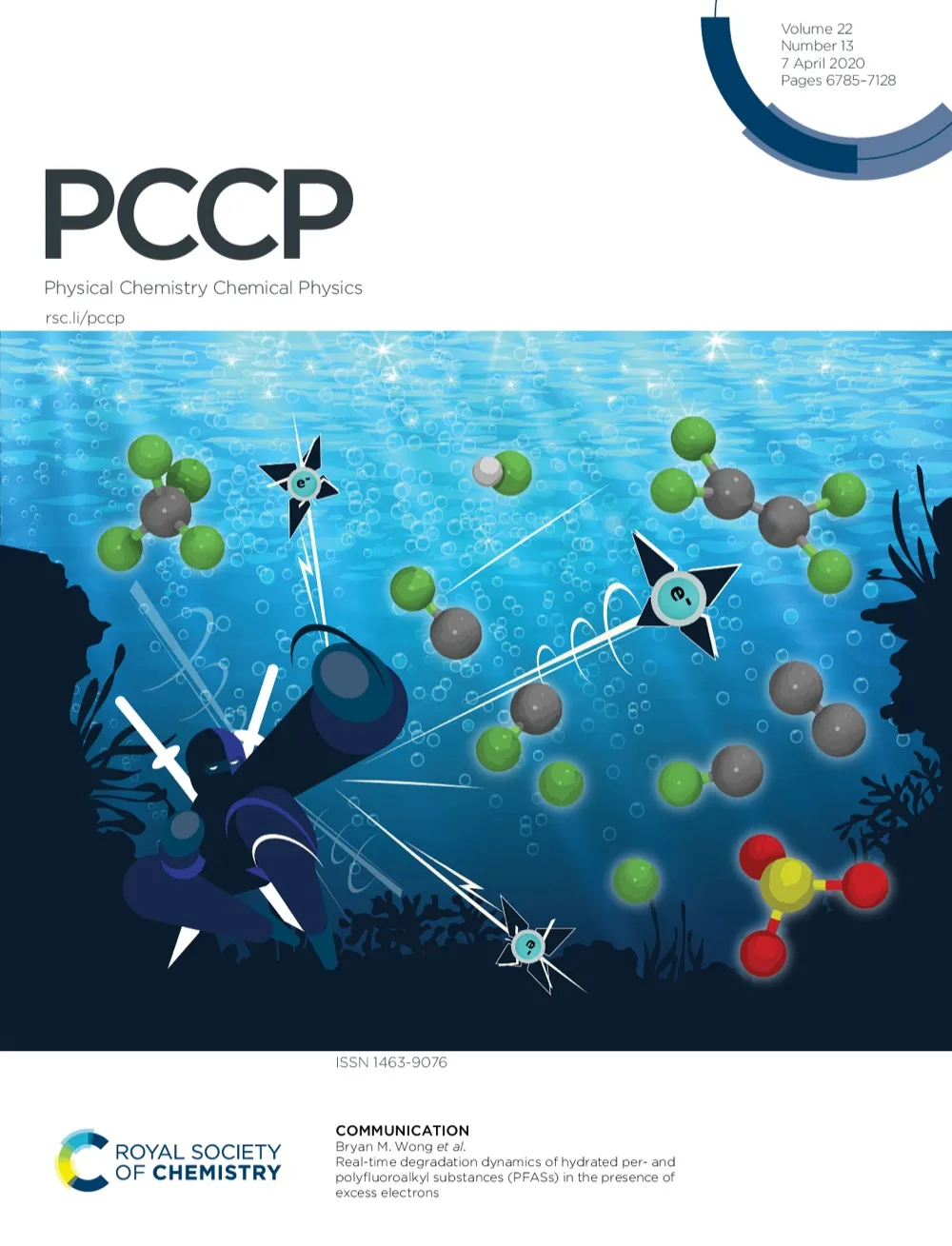
Physical Chemistry Chemical Physics2020
Using self-interaction-corrected Born-Oppenheimer molecular dynamics simulations, we provide the first real-time assessment of PFAS degradation in the presence of excess electrons.

An occasional note when I publish something new: research updates, essays on scientific computing, and thoughts on recent papers.